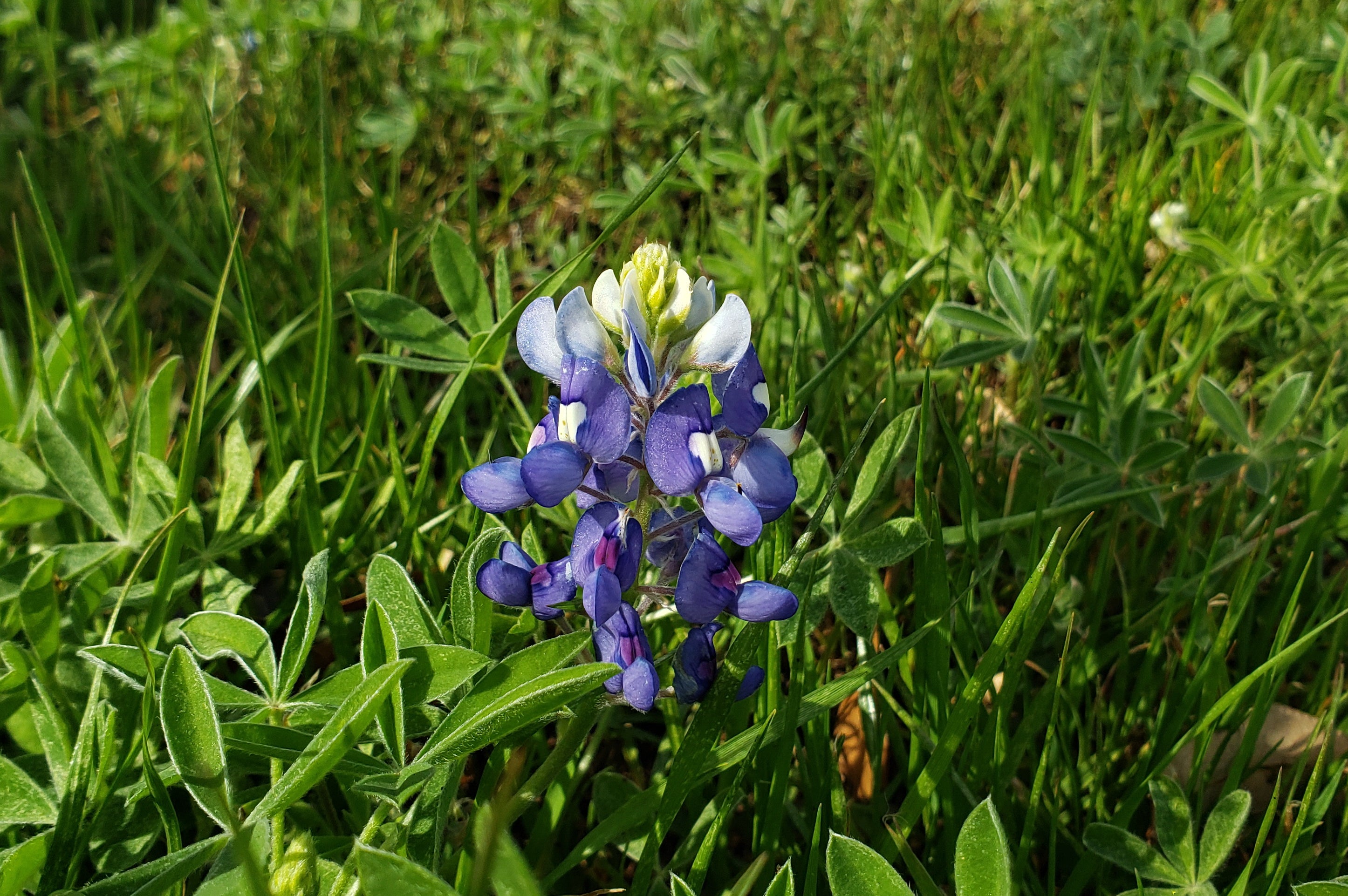


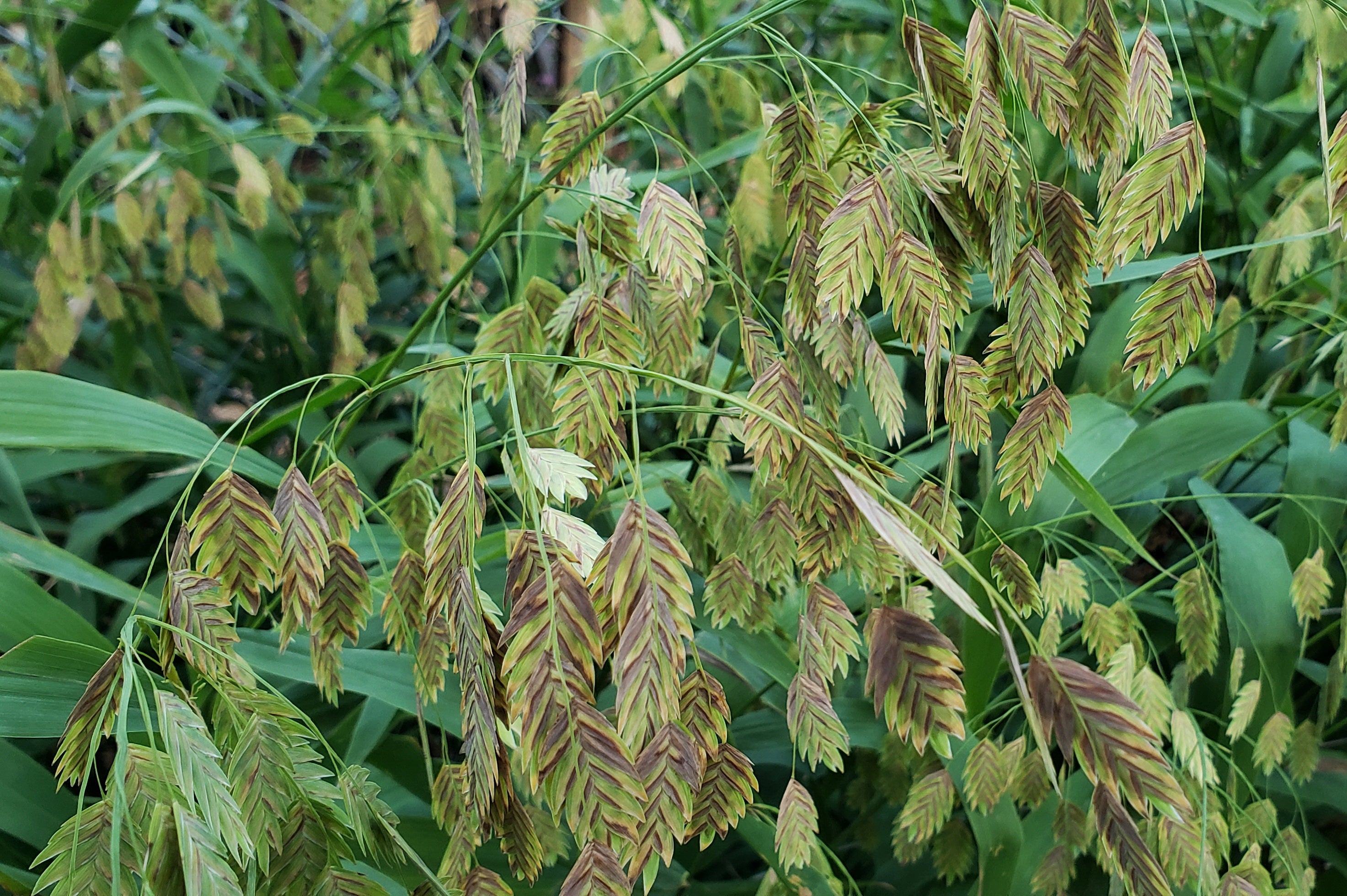

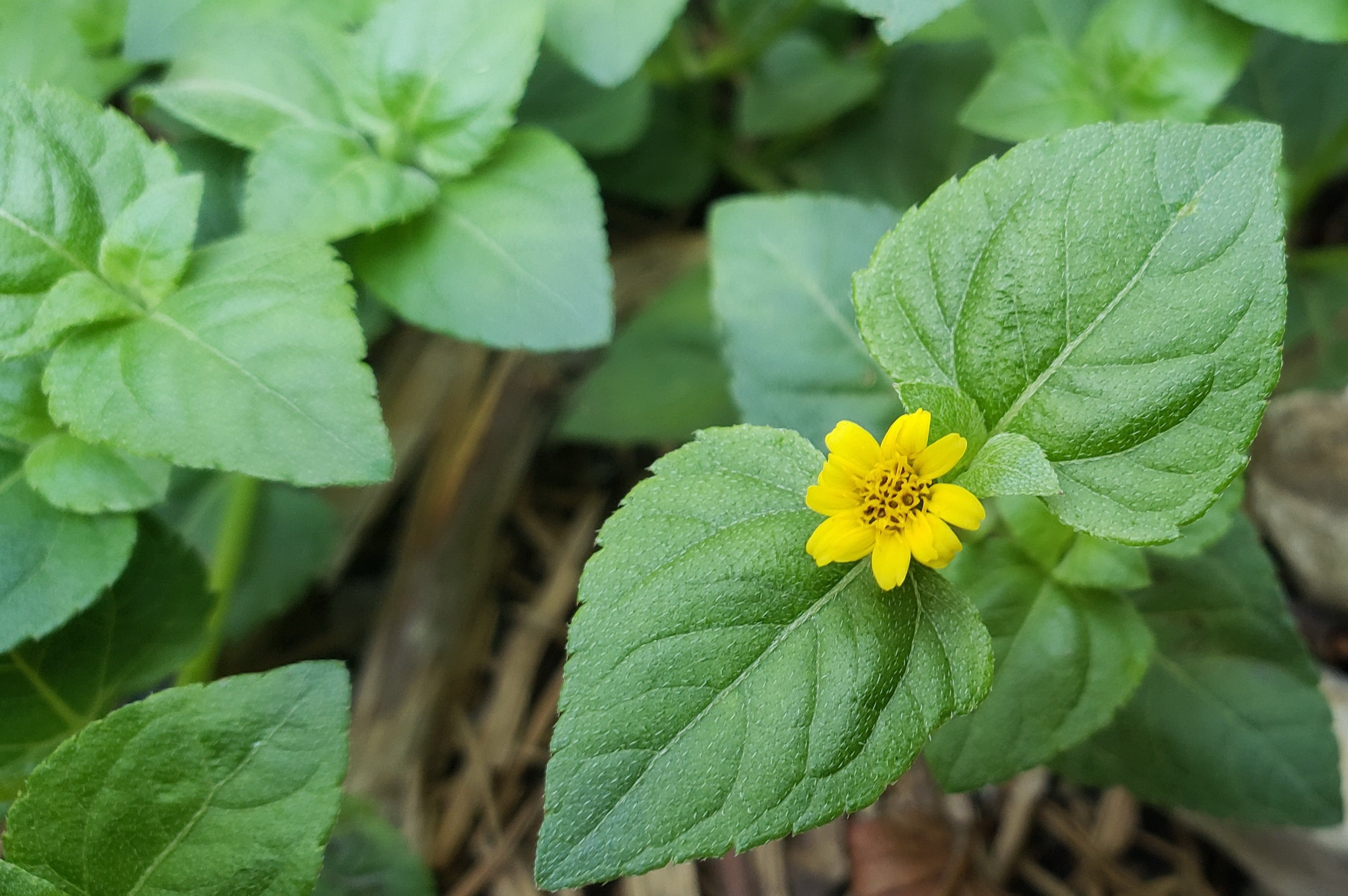
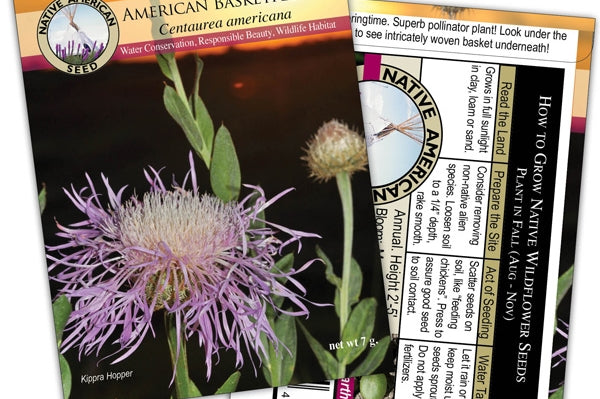


Thanks to their beauty, diversity, and versatility, native plants are finally enjoying their day in the sun. Native plants occur naturally in a specific geographic region and have evolved to thrive in the conditions of that environment, including the climate and soil. They’re typically more tolerant of drought and stress, they need less water, they’re less prone to disease, and they don’t take as much work. Whether you choose native trees, shrubs, grasses, flowers, or groundcover, native plant species are an important part of any North Texas garden.

Native plants offer another significant benefit: They provide a habitat for wildlife, from mammals to pollinating insects. To put it simply, native plants give wildlife a place to call home.

What kind of wildlife are we talking about, exactly? All kinds, including birds, butterflies, bees, amphibians, reptiles, and a range of welcome mammals. Here in North Texas, you may see chickadees, cardinals, mockingbirds, wrens, finches, and dozens of others. You may attract a medley of butterflies, including monarchs, swallowtails, sulphurs, and queens, as well as other essential pollinators such as hummingbirds, native bees, moths, and bats.

And yes, you may attract squirrels, possums, rabbits, and other small mammals, all of which have a place in the garden ecosystem. In fact, the presence of small mammals means that your garden is thriving, and that your insect populations are likely under control. Virginia Opossums are a great example of the unexpected benefits of garden guests. Our only marsupial, they are harmless, do not carry rabies, and eat ticks. Small mammals may even attract larger predators such as hawks, owls, and foxes, indicating that your garden is truly a source of balance in nature.

Native plants are a fundamental component of wildlife habitats. Without extra effort in the garden on our part, these plants naturally provide food and water, nectar, shelter, nesting materials, areas to breed and to raise young, and places to perch, rest, and hide. They yield the ideal fruits, seeds, berries, and nuts to nourish wildlife, as well as attracting other appreciated food sources such as insects, fungi, and lichens. In a nutshell, native plants help wildlife survive in an often inhospitable world.

