





The first hard freeze arrives, the plants go brown, and the old advice kicks in: cut it all back, rake it all up, put the garden to bed.
But your garden isn't asleep. Right now, tucked inside hollow stems, curled into leaf litter, and buried under a blanket of fallen leaves, are next year's bees, butterflies, moths, and fireflies. Cutting everything to the ground doesn't tidy the garden. It clears out the nursery. The most helpful thing you can do this winter is less.
Why leave the stems standing?
Many of our native bees don't live in hives. Most are solitary and nest in the ground or in plant stems. Solitary native bees use hollow or pithy stems to raise their young, sealing eggs into the tunnels. Those young bees spend the winter inside the stem, waiting for spring.
If you cut stems flush to the soil in fall, you may be removing the nests themselves. You can still tidy up a little – just leave the pithy stems 1-2 feet about the ground. New growth in the spring will cover them quickly. And if you decide to leave the cleanup until spring, you will be able to enjoy your winter garden.
Leaving dormant plant during the winter will also give you:
- Winter structure. Frosted seed heads and wiry, bleached stalks look beautiful in low winter light.
- Perches and cover. Small birds use dense stems and grass clumps as shelter from wind and predators.
- Insect habitat. Beetles, ladybugs, and other beneficial insects overwinter in and around dead stems.

Why leave the seed heads?
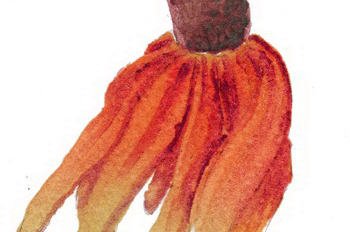
Seed is winter food. Goldfinches, sparrows, juncos, and chickadees work through seed heads all season, and a coneflower or Common Sunflower left standing is a feeder you never have to refill.
Seed heads also do quiet work for next year. Some will self-sow, giving you free plants where nature decides they belong.
Why leave the leaf litter?
Fallen leaves are not yard waste. They are habitat. A single layer of leaf litter can shelter:
- Caterpillars and pupae. Many moths and butterflies overwinter as eggs, caterpillars, or chrysalises in the leaf layer. Luna moths pupate in leaf litter. Woolly bear caterpillars wait out the cold there. In Texas, hackberry emperor caterpillars overwinter in fallen hackberry leaves.
- Bumble bee queens. Queens overwinter alone, tucked into loose soil and leaf litter. Each one is a whole colony waiting to happen.
- Fireflies. Firefly larvae live in leaf litter and soil for a year or more before they become the adults you watch on summer evenings.
- Soil life. As leaves break down, they feed fungi and soil organisms and build the kind of soil native plants prefer.
A bonus: leaves are free mulch. They suppress weeds, hold moisture, and hold the soil in place through our wet-then-dry winters. As they decompose, they turn into rich, organic soil.

So what should you cut?
You don't have to leave everything. A few reasonable exceptions:
- Anything diseased, or anything that is a safety or fire hazard.
- Invasive plants and their seed heads.
- Leaves piled thickly on top of lawn, which can smother turf. Rake them into your garden beds instead of the curb.
- Overhanging stems blocking walkways or driveways.
Spring cleanup tips
- Wait. Hold off until the chance of hard freeze is over.
- Cut high. When you do cut, leave stems standing about 12 to 24 inches tall. Those stubs become nesting sites for the next generation.
- Leave the cuttings on site. If you can, chop and drop - let trimmings fall on the ground where they will decompose.
- Skip the leaf blower and mulching mower in planted areas. Both can destroy what's sheltering there.
One more reason to wait: new growth will hide last year's stems for you. By May, nobody will know they were there.

But what about the neighbors (or the HOA)?
A wild garden can look neglected to people who don't know what they're looking at. A few tricks make it read as intentional:
- Keep a clean edge. A mowed or edged border around a native bed signals care.
- Add a sign. A small "pollinator habitat" or "wildlife garden" sign tells the story.
- Mix in structure. Grasses, like Little Bluestem or Bushy Bluestem, hold winter color and shape beautifully.
- Start small. Even a few uncut corners help.
If you're in an HOA or a city with weed ordinances, check the rules and talk to your neighbors. A friendly conversation goes a long way.

Frequently asked questions
Will leaving stems and leaves attract pests? Mostly the opposite. Habitat supports predators like ladybugs, lacewings, and birds that keep pest numbers in check. Healthy, diverse gardens tend to balance themselves.
Should I cut perennials back in fall or spring? Spring, once it has truly warmed up. Leave the stems through winter.
What if I don't have much space? A single pot of uncut stems, one leaf-filled corner, or one bed of native perennials left standing all winter still helps.
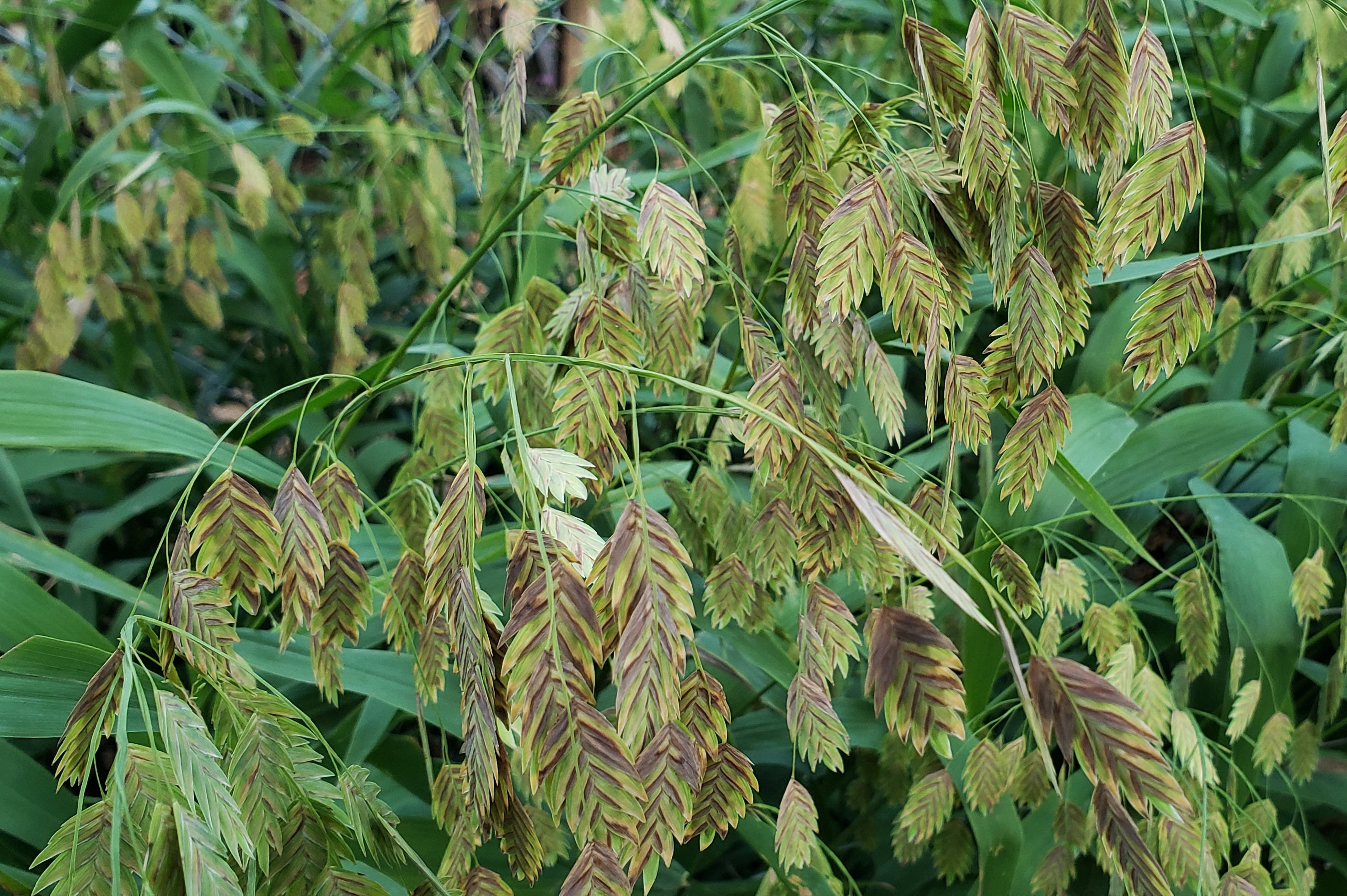
What about grasses? Many native grasses are host plants and they also serve as shelter for overwintering insects. They provide texture and structure in the garden. Cut them in early spring, leaving a few inches of stubble, or leave them for another season. All some grasses require is 'raking' through them with your hands (with your gloves on!) and removing dead growth this way.
Do less this winter
This winter, put the pruners away. Leave the stems, leave the seed heads, and leave the leaves where they fall. You'll get a garden that feeds birds, shelters pollinators, and wakes up in spring already buzzing.
At Eco Blossom, our whole approach comes down to one idea: stop landscaping, start rewilding. Create habitat, and still enjoy a beautiful garden.
Ready to plant for next year's pollinators? Browse our native plants at ecoblossom.com (schedule your pickup appointment during checkout and browse/shop during pickup as well), or stop by an Open House at the nursery (no appointment needed). Free local delivery is available in select Fort Worth zip codes, and 5% of every pre-tax sale goes to a Texas conservation nonprofit of your choice.
